


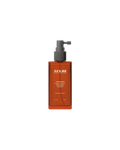
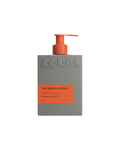
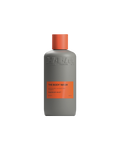
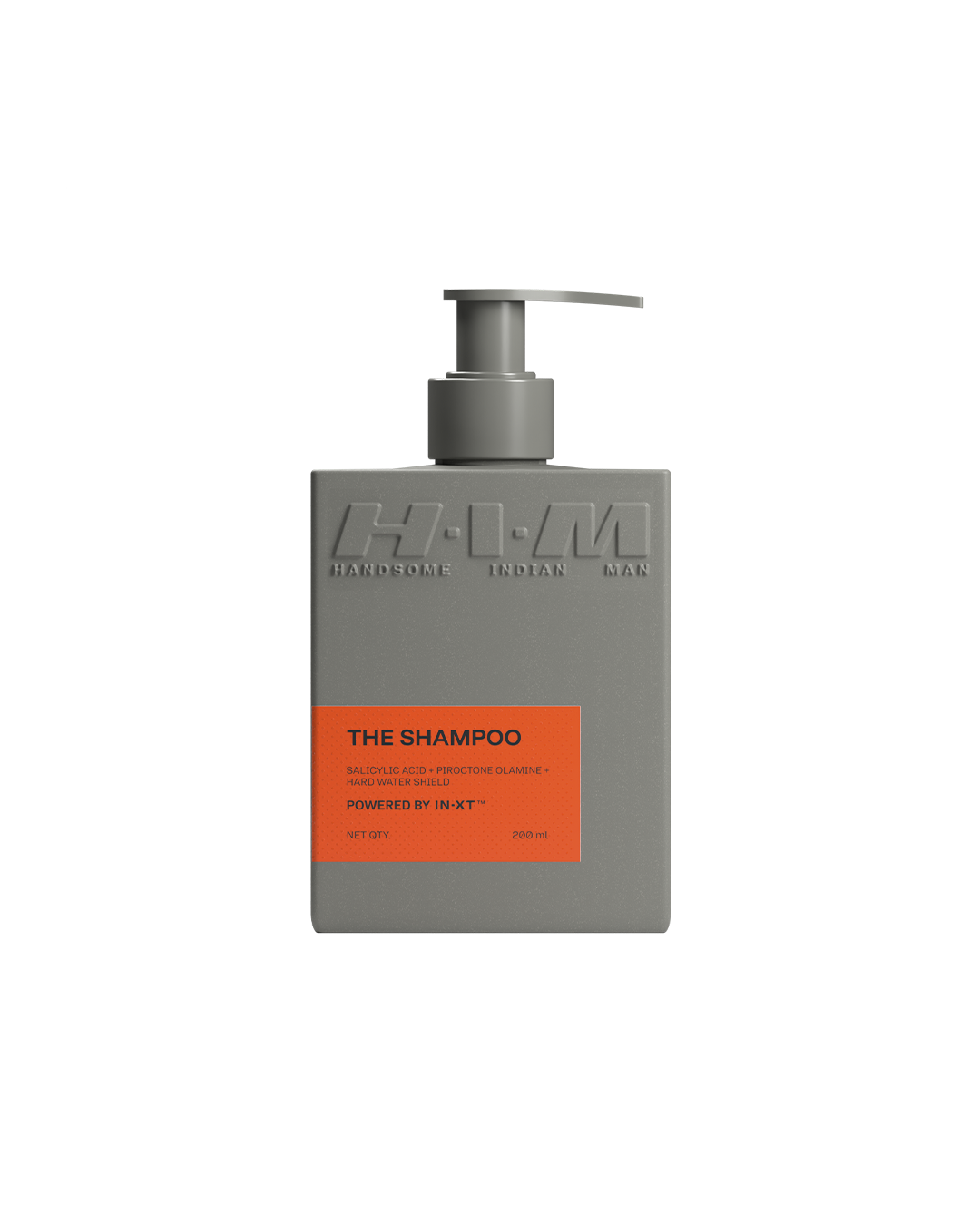


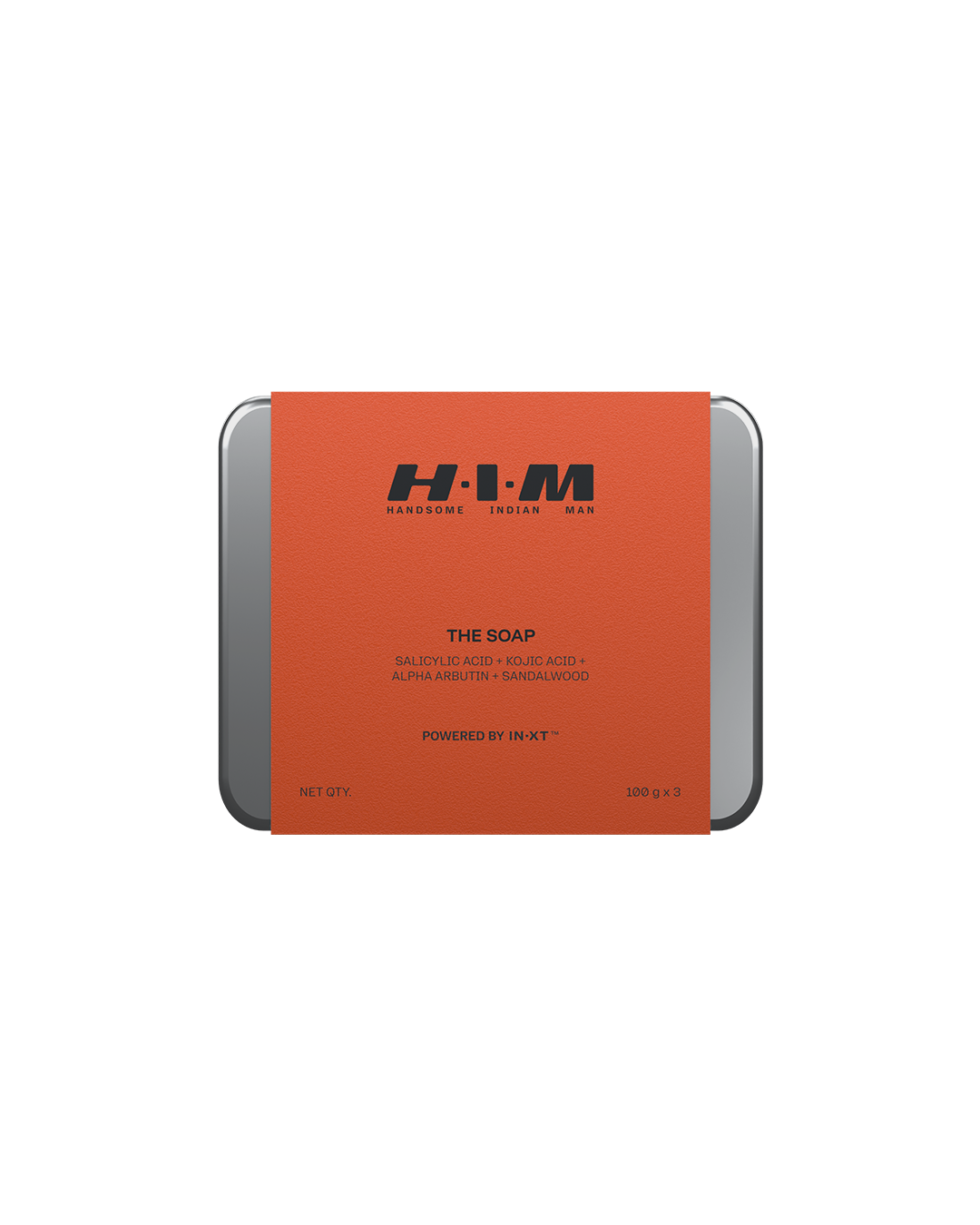
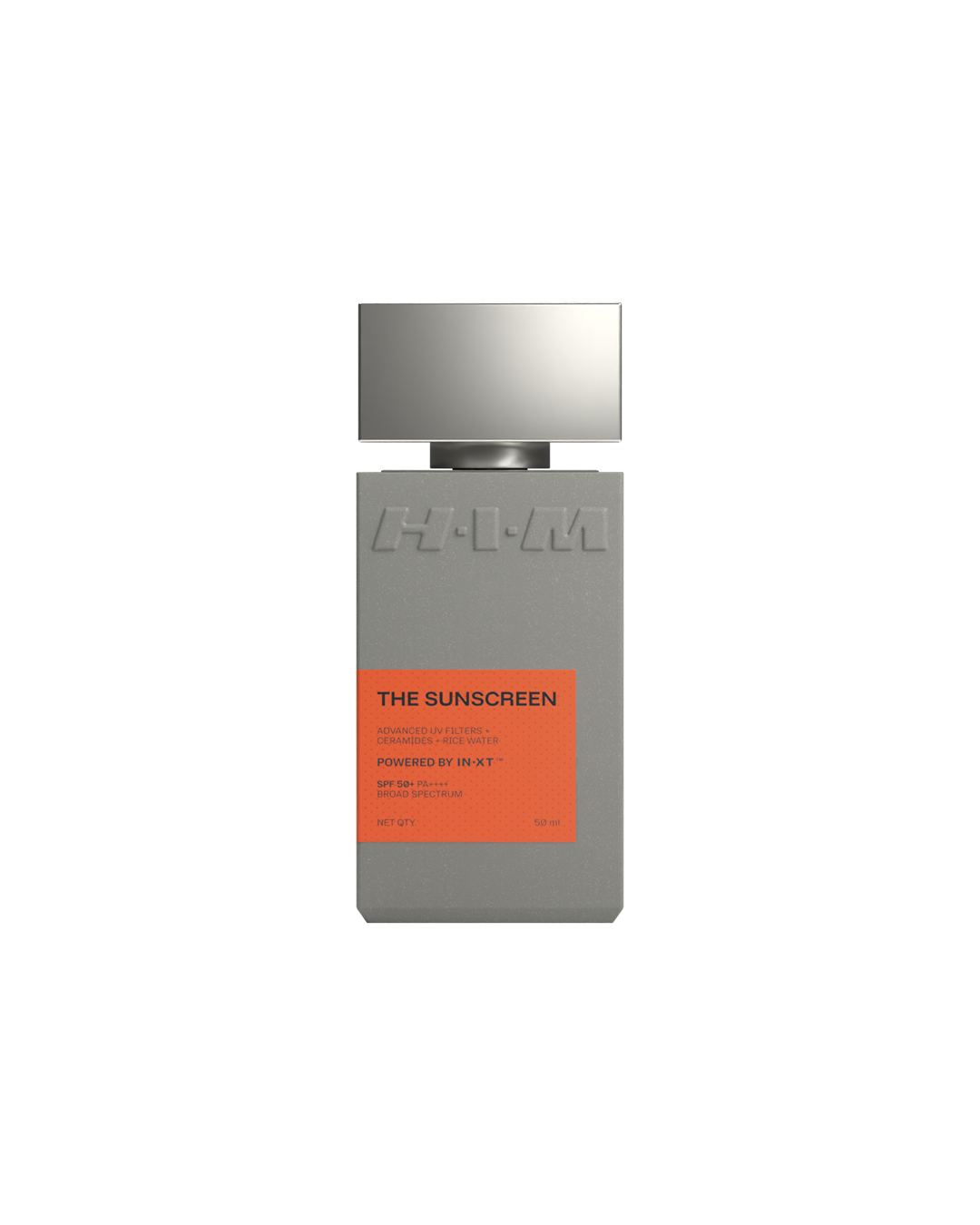
Salicylic acid and niacinamide work well together because they tackle oily, acne-prone skin from two directions. Salicylic acid is an oil-soluble exfoliant that clears out clogged pores. Niacinamide (vitamin B3) helps reduce oil production, improve the look of pores and calm redness. A face wash with both cleans out today's oil and congestion and helps slow down tomorrow's. For extra oil control, clay absorbs surface shine. The combination is gentle enough for most men to use twice a day.
If you've looked at face washes for oily skin recently, you've seen these two ingredients everywhere, often on the same label. That's not just a trend. Each solves a different part of the oily-skin problem, and together they cover more ground than either does alone. Here's how they work, what the research says, and how to get the most out of them.
Oily, acne-prone skin is a cycle
To understand why the combination works, it helps to see what's happening in your pores:
-
Your oil glands make sebum. In men, hormones push this production higher.
-
Oil mixes with dead skin cells and forms a sticky plug inside the pore.
-
The plug becomes a blackhead or whitehead.
-
Bacteria grow in the oily, low-oxygen environment, and the pore can become an inflamed pimple.
-
Inflammation leaves redness or dark marks, and the cycle repeats.
Salicylic acid mainly works on steps 2 and 3. Niacinamide mainly works on steps 1 and 5. That's why they're such a good match.
What salicylic acid does
Salicylic acid is a beta hydroxy acid (BHA). Unlike most exfoliating acids, it dissolves in oil. That lets it get through the sebum and into the pore, where it:
-
Loosens the plugs of oil and dead skin that form blackheads and whiteheads
-
Exfoliates gently inside the pore and on the surface, smoothing texture
-
Calms redness a little, since it's related to aspirin
It's one of the few acne ingredients recognised by regulators. The US FDA's over-the-counter acne rules allow salicylic acid at 0.5% to 2%.
In short: salicylic acid clears out what's already in the pore.
What niacinamide does
Niacinamide is a form of vitamin B3. It's gentle, water-soluble and suits almost every skin type. For oily skin, its key benefits are:
-
Less oil. In clinical studies, 2% niacinamide applied to the face significantly lowered sebum (oil) production over 2–4 weeks.
-
Smaller-looking pores. The same research found a reduction in pore size, likely because less oil stretches the pore.
-
Calmer skin. Niacinamide has anti-inflammatory effects that help with redness after breakouts.
-
A stronger skin barrier, which helps skin cope with acids, shaving and pollution.
-
More even tone. It's widely used to fade dullness and the dark marks left behind by pimples.
In short: niacinamide helps stop the pore filling up again so quickly.
Why they work better together
|
Problem |
Salicylic acid |
Niacinamide |
|---|---|---|
|
Excess oil / shine |
Removes oil from pores |
Reduces oil production |
|
Blackheads and whiteheads |
Dissolves the plugs |
Less oil means fewer new plugs |
|
Large-looking pores |
Clears congestion |
Improves pore appearance |
|
Redness after pimples |
Mildly calming |
Anti-inflammatory |
|
Dark marks / uneven tone |
Smoother surface |
Helps even out tone |
|
Dryness from acids |
Can be drying |
Supports the skin barrier |
The last row matters most. Salicylic acid can leave skin a little dry, especially when used twice a day. Niacinamide helps strengthen the skin barrier, so the combination is often better tolerated than salicylic acid alone. You get stronger results with less irritation.
Salicylic acid face wash vs niacinamide face wash
People often ask which one to choose. The honest answer: it depends on your main problem.
-
Mostly blackheads, clogged pores and breakouts? Salicylic acid does more of the work.
-
Mostly shine, visible pores, redness or uneven tone? Niacinamide does more of the work.
-
Oily skin with both (most men)? Use both.
Using one face wash with both is simpler than layering separate products, especially if you want a two-minute routine.
Does a niacinamide face wash work for pores?
This is a fair question, because a face wash only stays on your skin for under a minute. The strongest evidence for niacinamide comes from leave-on products like creams and serums used over several weeks.
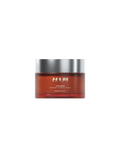
In a face wash, niacinamide supports the routine. It adds oil control and comfort while you cleanse. For the full pore-refining effect, pair it with a leave-on niacinamide product, such as a moisturiser. That's why we put niacinamide in both THE FACE WASH and THE CREAM.
Where clay and LHA fit in
Clay absorbs oil on the skin's surface. In a face wash, it gives an immediate matte, fresh finish, which is useful in Indian heat and humidity. Newer biotech (fermented) clays are designed to absorb oil without over-drying.
LHA (capryloyl salicylic acid) is a gentler salicylic acid derivative. Its larger molecule moves into the skin more slowly and tends to stay near the surface. It suits sensitive skin, but it's generally considered less effective for acne than salicylic acid itself. Some cleansers pair LHA with salicylic acid. For oily, congested skin, salicylic acid is the main ingredient to look for.
Can you combine them with other actives?
|
Pair with |
Verdict |
|---|---|
|
Moisturiser (ceramides, niacinamide) |
Yes, ideal |
|
Sunscreen |
Yes, every morning |
|
Vitamin C |
Generally fine. Old warnings about niacinamide + vitamin C are largely outdated. |
|
Retinoids / prescription acne creams |
Ask your dermatologist. Use at different times if approved. |
|
Scrubs or other acid toners |
Not on the same day. Too much exfoliation. |
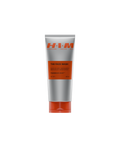
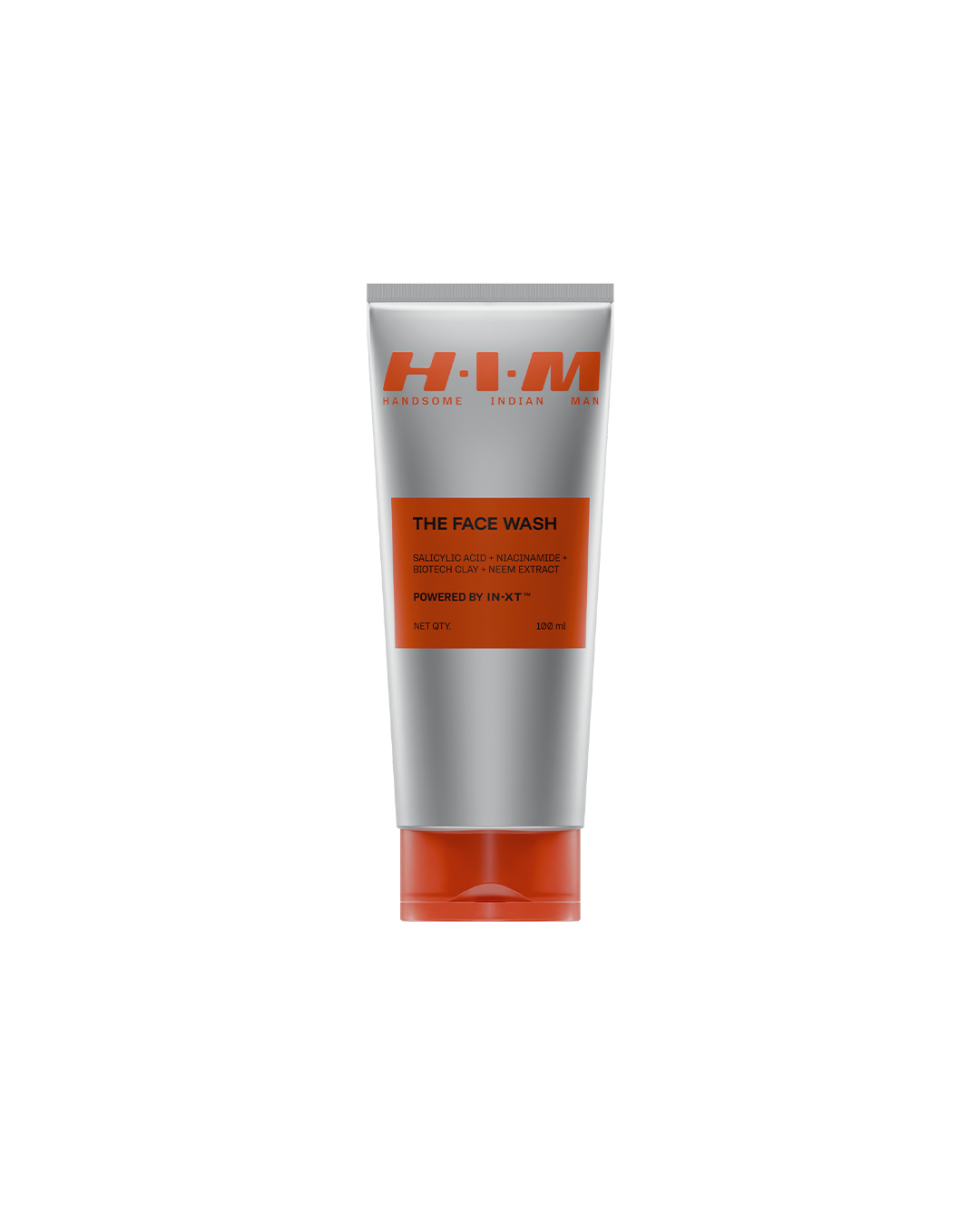
HIM THE FACE WASH: salicylic acid + niacinamide + clay in one step
We built THE FACE WASH around this combination, for Indian men dealing with oil, sweat, pollution and daily shaving.
-
Salicylic acid to unclog pores and control excess oil
-
Niacinamide to help with shine, visible pores and uneven tone
-
Biotech clay, a fermented clay that absorbs oil while keeping skin hydrated
-
Neem extract to help reduce impurity build-up
-
Soap-free, mild base (no SLS or SLES) with glycerin, panthenol and ectoin
-
Gel-to-foam texture that rinses clean from beards and works before shaving
In our study, 30 men used it twice a day for 7 days. After one wash, we measured a 42.86% reduction in pollution-induced oiliness.
To continue the niacinamide benefits after you rinse, follow with THE CREAM. It's a lightweight niacinamide and ceramide moisturiser with a shine-free finish. In the morning, use THE SUNSCREEN, which also contains niacinamide.

A simple routine for oily, acne-prone skin
|
Step 1 |
Step 2 |
|
|---|---|---|
|
Morning |
Salicylic acid + niacinamide face wash |
Sunscreen SPF 50 |
|
After gym |
Face wash |
Sunscreen if heading out |
|
Night |
Face wash |
Niacinamide moisturiser |
Give it 4–8 weeks. Oil control shows up quickly. Fewer blackheads and clearer pores take longer.
What to expect, week by week
-
Day 1: Skin feels cleaner and less shiny straight after washing.
-
Weeks 1–2: Oil builds up more slowly during the day. Some men notice a few small breakouts as clogged pores clear. This should settle quickly. If it doesn't, or your skin is stinging, cut back to once a day.
-
Weeks 3–4: Fewer new blackheads. Your nose and chin feel smoother. Shine is easier to manage.
-
Weeks 6–8: Pores look less congested, breakouts are less frequent, and dark marks from old pimples start to look lighter, especially if you wear sunscreen every day.
If you see no improvement in breakouts after 8 weeks of consistent use, or your acne is painful and deep, it's time to see a dermatologist.
4 myths about salicylic acid and niacinamide
Myth 1: "You can't mix niacinamide with acids." This comes from older lab research done under conditions very different from real skincare use. In a well-formulated product, salicylic acid and niacinamide work together without problems.
Myth 2: "Higher percentages always work better." More isn't automatically better. Strong concentrations raise the risk of dryness and irritation, especially with twice-daily use. A balanced formula you'll use consistently beats a harsh one you'll quit after a week.
Myth 3: "Oily skin doesn't need moisturiser." It does. Skin that's been stripped can feel tight and look shinier. A light niacinamide moisturiser helps keep oil balanced.
Myth 4: "If it tingles, it's working." Tingling and stinging are signs of irritation, not results. A good face wash should feel comfortable.
FAQs
Can I use salicylic acid and niacinamide together?
Yes. They're one of the best-matched pairs for oily, acne-prone skin. Salicylic acid clears pores and niacinamide helps reduce oil and calm redness. A single face wash with both is the easiest way to use them.
Is a salicylic acid and niacinamide face wash good for men?
Yes. Men's skin tends to be oilier and more prone to clogged pores and razor bumps. This combination targets all three, and a gel-to-foam formula works well through a beard.
Which is better for oily skin: salicylic acid or niacinamide?
For blackheads and breakouts, salicylic acid. For shine, visible pores and uneven tone, niacinamide. Most oily skin benefits from both.
Does niacinamide face wash reduce pores?
It helps, but the strongest pore results come from leave-on niacinamide used for several weeks. Pair the face wash with a niacinamide moisturiser.
Can I use it twice a day?
Most men with oily skin can. If your skin feels tight or starts to flake, use it once a day and moisturise.
